Patterns Templates for Making Dresses Wi: A Creative Design Essential
There's a certain magic in the process of creating something by hand, especially when it comes to fashion. The journey from a flat piece of fabric to a three-dimensional garment that drapes and moves with the body is a form of art. Central to this artistry, particularly in the world of home sewing and bespoke design, is the dress pattern. These templates are more than just instructions; they are the architectural blueprints for creativity. They provide structure, precision, and a reliable foundation upon which a maker's vision can be built. Understanding and utilizing these templates effectively is a skill that separates a casual hobbyist from a confident creator.
The Anatomy of a Modern Dress Pattern
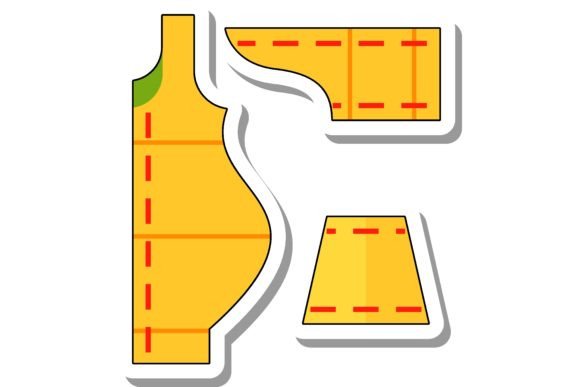
At its core, a pattern template for making a dress is a set of precisely drafted paper pieces. Each piece represents a component of the final garment—a bodice front, a sleeve, a skirt panel. These templates are marked with a wealth of critical information that guides the sewer through the construction process. You'll find cutting lines, which define the shape of each piece, and seam allowances, the extra fabric included for stitching the pieces together. Grain lines indicate how the pattern should be aligned with the fabric's weave, ensuring the garment hangs correctly. Notches and dots serve as matching points, guaranteeing that seams align perfectly when pieces are joined.
The visual personality of these templates is one of clarity and function. They are typically printed on crisp, durable paper in a monochromatic palette, often black or dark blue on a white or light-colored background. This minimalist approach is intentional; it eliminates distraction and focuses the maker's eye on the essential lines and markings. The style is utilitarian yet elegant, a testament to the precision required in tailoring. For designers and crafters, this aesthetic is deeply appealing. It speaks to a respect for the craft, where every millimeter matters. The overall appeal lies in its promise of order and predictability in the inherently creative—and sometimes chaotic—process of making something from scratch.
Where These Templates Shine: Applications Beyond the Sewing Room
While their primary purpose is to guide the creation of physical garments, the utility of dress pattern templates extends into a surprising array of creative and professional projects. Their structured, graphic nature makes them a versatile design asset for various applications.
- Branding & Logo Design: For fashion designers, bespoke tailors, fabric shops, or sewing bloggers, a stylized version of a pattern template can form the basis of a powerful logo design. It instantly communicates the brand's core offering in a visually sophisticated way.
- Packaging & Print Design: Imagine a high-end sewing kit or a boutique fabric store using pattern markings as a subtle background texture on packaging, business cards, or shopping bags. This creates an immediate, tactile connection with the target audience of makers and crafters.
- Digital & Social Media Graphics: The clean lines are perfect for web design and social media graphics. They can be used as decorative elements, borders, or icons to create a cohesive visual identity for a sewing tutorial blog, a YouTube channel, or an online craft community. The imagery is instantly recognizable and builds niche authority.
- Editorial & Publishing: In editorial design for craft magazines or DIY books, these templates can be used as chapter headings, dividers, or illustrative elements that enhance the content's theme. They add a layer of authenticity and professional polish.
The key is to treat the template not as a literal instruction sheet, but as a source of graphic inspiration. Its strength lies in its association with precision, creativity, and the tangible satisfaction of making.
Harnessing the Template for Effective Communication
Incorporating the visual language of dress patterns into a project does more than just make it look pretty; it actively influences perception and engagement. When used thoughtfully, these graphic elements can significantly enhance a project's effectiveness.
First, they establish visual hierarchy. A bold cutting line can draw the eye to a headline, while delicate notches can guide a reader through a list. This creates an intuitive flow that makes content easier to digest. Second, they build brand perception and consistency. A brand that consistently uses pattern-inspired graphics will be perceived as knowledgeable, authentic, and dedicated to its craft. This consistency across all touchpoints—from a website to an Instagram post—fosters trust and recognition.
Third, the inherent detail of the templates contributes to a sense of professionalism. It shows an investment in quality design assets, suggesting that the products or services offered are equally high-quality. Finally, for the right audience, this imagery fosters deep audience engagement. A crafter seeing a well-drafted pattern motif feels seen and understood. It's a visual shorthand that says, "We speak your language." This connection is far more powerful than generic stock imagery.
A Practical Guide to Choosing and Using Pattern Templates
If you're considering using the aesthetic of Patterns Templates for Making Dresses Wi in your work, a practical approach will yield the best results. This isn't just about finding a random image; it's about selecting a tool that fits your project's needs.
- Evaluate the Project Fit: Ask yourself if the theme of precision, craft, and construction aligns with your message. It's perfect for a tailoring service or a craft blog but might feel out of place for a tech startup. The goal is for the design to feel authentic, not forced.
- Choose the Right Style: Look for templates that match the tone you want to set. A vintage pattern with handwritten notes has a different personality than a sleek, computer-aided design (CAD) template. Ensure the visual style is consistent with your broader brand identity.
- Test for Readability and Pairing: If you're using the template lines as a background or texture, ensure they don't compete with your primary text or logo. A great technique is to use a semi-transparent version or a single, isolated element. Think about how it will pair with your chosen typefaces—a serif font might complement a classic template, while a clean sans serif font could work with a more modern design.
- Understand the Licensing: This is crucial. If you source a digital template from a stock site or a designer, you must understand the commercial font or asset license. Can you use it in a logo? Can you modify it? Can you use it on merchandise for sale? Always review the terms to avoid legal issues down the line.
- Source Quality Assets: Look for high-resolution files from reputable sources. A pixelated or poorly scanned template will undermine the professionalism you're trying to project. Many designers sell premium font and graphic packs that include these kinds of thematic elements, often with extended licenses.
By treating Patterns Templates for Making Dresses Wi